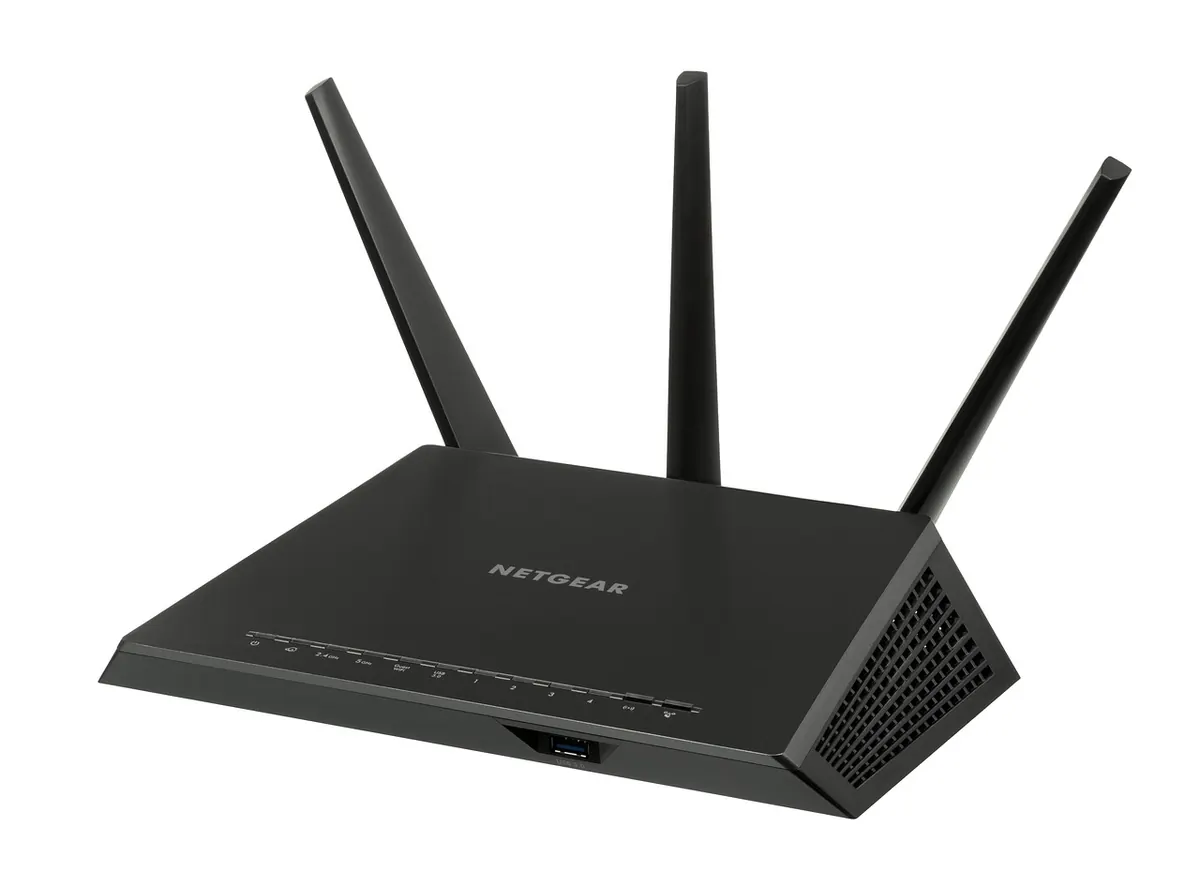
Broadband in Ashford is less a single market than a patchwork. Two streets a few minutes apart can have completely different options: one address might have full fibre from two competing networks, while another sits on a cabinet that struggles to keep up with a household of five. That makes comparison shopping harder than the adverts suggest. The useful questions are not "who is cheapest" but "what is actually wired to my address, how long will installation take, and who picks up the phone when it stops working?" Here is how the options stack up.
The four kinds of connection you will find here
Nearly every address in and around Ashford falls into one of a handful of categories. Knowing which one covers your street explains most of the difference in speed and price before you even look at a provider's website.
- Copper-only ADSL. The old telephone-line service. Still hanging on in a few pockets, but slow by any modern standard and increasingly being retired as networks are upgraded.
- Fibre to the cabinet (FTTC). Fibre runs to a green cabinet on the street, then copper covers the last stretch to your door. Advertised as up to roughly 80 Mbps download and 20 Mbps upload on the best cabinets, but your distance from that cabinet decides what you actually receive. Houses at the end of a long line often see a fraction of the headline figure.
- Cable. Virgin Media runs its own network, separate from the Openreach infrastructure most providers rent. It is fast where it exists, but it follows its own build map, so it covers some streets and skips others entirely.
- Full fibre (FTTP). Fibre all the way into the property. Openreach has been building this across Kent, and independent builders have been installing their own networks in parts of the county too. Speeds run from around 100 Mbps to multi-gigabit packages, and upload speeds usually match download, which matters more than most people expect.
- Fixed wireless and 5G home broadband. A receiver on the roof or a router that picks up a mobile signal. Worth a look at the rural edges of the borough where digging a new line is impractical.
The practical upshot: full fibre is the option worth waiting for if it is available or imminent at your address. If it is not, FTTC or cable will carry most households comfortably, provided you understand the limits.
Speed: reading past the headline number
Advertised speeds are a ceiling, not an average. A "500 Mbps" package does not deliver 500 Mbps to every device at every hour, and the number that matters is what reaches your router during the busiest part of your evening.
Upload speed is the one people forget
Download speed gets the marketing budget, but upload speed decides whether a video call freezes, whether a large file takes ten minutes or an hour, and whether a home-working day runs smoothly. On FTTC, upload is typically capped around 20 Mbps or less. On full fibre, upload often matches download. If anyone in the house works from home, teaches online, or backs up large files, that gap is the single biggest difference between the two technologies.
Matching a package to your household
- One or two people, browsing and streaming: a modest fibre package is plenty. Do not pay for capacity you will never use.
- A family with several screens at once: look at 100 Mbps or above, and check the upload figure before you commit.
- Home workers, gamers, or anyone uploading regularly: prioritise full fibre with matched upload speeds over a cheaper FTTC deal.
- Large households with heavy simultaneous use: higher-tier full fibre, plus a router that can handle the load. Provider-supplied routers are often the weak link in a busy home.
Coverage around town: where the gaps sit
Ashford's housing stock explains a lot of the variation. Newer developments on the edge of town have often been built with full fibre already in the ground, and in some cases more than one network is available. Older terraces close to the town centre can be more complicated, particularly conversions and flats where running a new cable needs landlord permission or a wayleave.
South Ashford, Willesborough, Kennington and Singleton each have their own mix, and rural parishes such as those towards Charing, Wye and the villages beyond tend to sit at the back of the queue for new builds, which is where fixed wireless earns its keep. The only reliable check is a postcode search on each network's own availability tool, and it is worth doing two or three. A neighbour two doors down having full fibre does not guarantee you can order it.
Installation: realistic timelines
Ordering is quick. Getting connected is where the calendar matters. A rough sequence for a typical full fibre installation:
- Order and survey. The provider confirms availability and books an engineer. If your property needs a new duct or a pole connection, expect an extra step.
- External work. An engineer runs fibre from the street to the outside of your property, usually within a few hours.
- Internal work. A small box goes on the wall inside, and the router plugs into it. You choose where, within reason, so think about where you actually want the router before the day arrives.
- Activation. Most connections go live the same day, though some need a short wait while the network is configured.
Flats and rented properties add time. Talk to your landlord early, and ask what the provider needs in writing. If you are switching between providers on the same network, the change can be simpler than you expect; switching between different networks sometimes means running both in parallel for a few weeks, which is worth the extra cost if you rely on a stable connection.
Customer service: what "local" actually means
Few national providers have a staffed Ashford office, so "local customer service" usually means one of three things: engineers who know the area, a smaller independent network with a regional support team, or a national call centre that happens to resolve problems quickly.
Judge it on substance rather than slogans. Ask what happens when something breaks, whether an engineer visit is included, and how long a fault typically takes to fix. Independent full-fibre builders often score well here simply because their support teams are smaller and closer to the build. Larger brands vary enormously by department.
Before signing, it is worth checking a provider's contract length, the notice period for leaving, and whether the price rises mid-contract and by how much. If you receive certain benefits, ask about social tariffs; several major providers offer lower-cost packages that are not always advertised prominently. For anything involving a long contract or a bundle that includes mobile or TV, read the terms carefully and, if the total commitment is significant, consider taking advice before you sign.
A simple way to decide
Check availability at your exact postcode on two or three networks, not one. Write down what you actually do online, then pick the cheapest package that clears that bar with a little headroom, paying attention to upload speed if anyone works from home. If full fibre is months away rather than years, a short rolling contract on FTTC may be the smarter bridge than a two-year deal you will want to escape. And if a neighbour's connection is rock solid while yours keeps dropping, ask them who they use and how long they have been with them. In a town this size, that conversation is still the best research you can do.
Photo: WikimediaImages / Pixabay